Materials for Quiet Spaces
In a cabin spa, materials are experienced barefoot, with closed eyes, and at temperatures up to 95°C. Standard residential building products—such as polyurethane varnishes, knotty pitch pine, vinyl plank flooring, or polished ceramic tile—either release irritating fumes under heat, weep sticky resin onto skin, or become dangerously slick when wet.
1. Why Thermal Conductivity Dictates Sauna Wood Choice
Have you ever wondered why you can sit comfortably on a 90°C wooden bench while touching a single exposed steel screw head at the exact same temperature causes an instant burn? The answer is thermal conductivity ($\lambda$) and density.
Dense hardwoods like oak or ipe have high thermal mass and conductivity, transferring heat rapidly into human skin. Softwoods and low-density hardwoods with cellular air pockets transfer heat slowly, allowing the thin layer of wood fibers directly beneath your body to cool to skin temperature within seconds.
- Avoid Pitch and Knots on Benches: Standard construction spruce or pine contains resin pockets that liquefy above 65°C and drip hot sap. If using Nordic spruce on walls, upgrade the benches and backrests to knot-free Aspen, Black Alder, or Clear Vertical Grain (CVG) Western Red Cedar.
- Concealed Fasteners: Always fasten bench slats from underneath using stainless steel (A2 or A4 grade) screws so no metal touches the bather's skin and corrosion stains never develop.
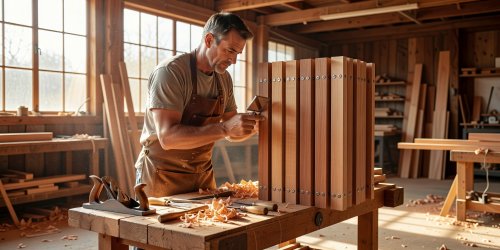
Factual Strip: Material Physics
2. Bordered Material Comparison: Timbers, Stones & Plasters
| Material Category | Top Options | Sensory & Functional Qualities | What to Avoid |
|---|---|---|---|
| Aromatic Timbers | Western Red Cedar, Japanese Hinoki Cypress, Alaskan Yellow Cedar | Rich natural thujaplicin oils resist fungal decay in outdoor tubs and saunas; calming forest aroma when steamed | Avoid aromatic red cedar (Eastern Juniper) in enclosed hot rooms, as volatile oils can overwhelm sensitive airways |
| Neutral / Low-Scent Timbers | European Aspen, Black Alder, Abachi, Thermo-Radiata Pine | Virtually odorless, splinter-free, and resin-free; ideal for guests sensitive to strong wood fragrances | Avoid untreated pale aspen on exterior decks where UV and rain cause rapid fungal spotting |
| Wet Zone Stone Flooring | Riven Welsh/Cumbrian Slate, Flamed Granite, Quartzite, Textured Porcelain | Micro-textured surface maintains grip under soapy water; dark earth tones ground the room visually | Never use river pebbles with wide grout lines inside saunas (hard to sanitize) or polished marble in showers |
| Sauna Heater Stones | Rounded or split Olivine Diabase, Peridotite, Vulcanite | Withstands rapid thermal shock (600°C to cold water splash) without shattering or releasing sulfur odors | Never gather river rocks or beach stones—trapped water pockets can explode violently when heated |
3. Finishes, Oils, and Breathable Wall Surfaces
Inside a hot sauna, wall and ceiling boards should generally remain completely unfinished so the wood pores can absorb and release moisture vapor naturally, buffering the room's humidity. Film-forming polyurethane, lacquer, or linseed paint traps moisture beneath the skin of the wood, blisters under heat, and emits acrid fumes.
For sauna benches, headrests, and lower wall panels where body oils and sweat accumulate, apply a dedicated paraffin oil or specialized water-borne sauna wax once or twice a year after lightly sanding with 180-grit paper. In the adjacent dry relaxation room, opt for unpainted timber boarding or breathable clay plaster, which passively regulates indoor relative humidity between 45% and 55% while absorbing ambient noise.
NEXT LESSON: OUTDOOR SOAKING BY DESIGN PREVIOUS: SAUNA & STEAM